Don’t let the packaging choose your skincare. Let your skin decide first.
Seeing many cleansers, moisturizers, serums, and sunscreens may create a lot of confusion about which one to choose for your skincare routine. Well, this dilemma is an issue every person nowadays faces, whether staying at home or going out in the sun or rain. Whether it’s hot weather or cold, everything can feel so confusing when deciding what to use on our skin. Every product seems challenging because some may have oily skin, some dry skin, or some sensitive skin. With all the choices we have in our shopping malls, figuring out which one is perfect is actually tiresome! It can be quite overwhelming if you don’t make the right choice.
Understanding how to choose the right skincare product for your skin type starts with identifying that people with the same skin type can still have entirely unique skin concerns.
A popular brand, attractive packaging, positive reviews, or a label that says “for oily skin” or “for dry skin” cannot be the only reason to purchase your skincare product. For example, two people may both have dry skin or sensitive skin, but maybe one struggles with acne whereas the other does not. That means the same skincare product may not work equally well for both, which is a bit alarming!
A successful skincare routine does not need dozens of products. More importantly, finding a few products that work with a purpose and a formula that feels good on your skin.
In this guide, we’ll discuss how to choose skincare products for your skin type, ingredients that may be best for oily, dry, combination or sensitive skin, and what to consider before adding any new product to your skincare routine.
Before you go off and buy a skincare product on your own, ask yourself two things:
- What’s my skin type?
- What is my main skin concern right now?
Once these two answers are clear, choosing skincare products becomes much easier!
1. Love your skin.

Before you go out and buy a new serum, cleanser or moisturizer, pause and get to know your skin.
Your skin may be oily, dry, combination, or normal, but that does not provide a complete picture. You may also be dealing with acne, clogged pores, irritation, dryness, uneven skin tone, or sudden sensitivity.
That is why knowing your skin type is only the starting point.
Imagine two people who both have oily skin. One gets acne and clogged pores regularly, while the other is mainly extra shine around the forehead and nose. Even though their skin type sounds the same, their needs are clearly different.
This is an important part of understanding how to choose the right skincare product for your skin type. Instead of asking, “What is good for oily skin?,” consider asking, “What is my skin doing right now, and what do I want to improve?”
That small change can make product shopping much easier.
2. Oily Skin Still Needs Hydration

Oily skin is often easy to recognize because of excess shine, especially around the forehead, nose, and chin. People with oily skin may also develop clogged pores, blackheads or frequent breakouts.
The common mistake is trying to remove as much oil as possible.
Using very harsh cleansers or washing your face repeatedly may leave your skin feeling tight and uncomfortable. Foaming or gel cleansers are slightly more practical, as they can help with excess oil without making the routine feel too heavy.
Another mistake is to not use a moisturizer.
It may seem logical to avoid moisturizer when your face already feels oily, but oily skin can still need hydration. A lightweight gel moisturizer or hydrating serum may feel more comfortable than a thick cream.
When choosing skincare products for your skin type, pay attention to texture as well as the label. A product that feels light, comfortable, and simple to use every day may suit oily skin better than a rich formula that feels heavy.
3. Dry Skin Needs a Gentler Approach

Dry skin often feels tight, rough, or flaky because it naturally produces less oil.
If your face feels uncomfortable immediately after washing, your cleanser may be too harsh for your skin. Products that remove too much oil can make dryness feel even more noticeable.
Creamy, milky, or oil-based cleansers may feel more comfortable for dry skin because they are generally less focused on removing excess oil.
Moisturizer also plays an important role here. Richer textures may help dry skin feel softer and more comfortable, especially when used consistently.
You may also see hydrating skincare ingredients such as glycerin or hyaluronic acid in products designed to support moisture.
The best way to judge a product is by how your skin feels after using it, not just by what it promises.
Does your cleanser leave your face feeling clean but comfortable? Does your moisturizer reduce that tight, dry feeling? If the answer is yes, the product may be a better match for your skin.
4. Dry Skin and Dehydrated Skin Are Different
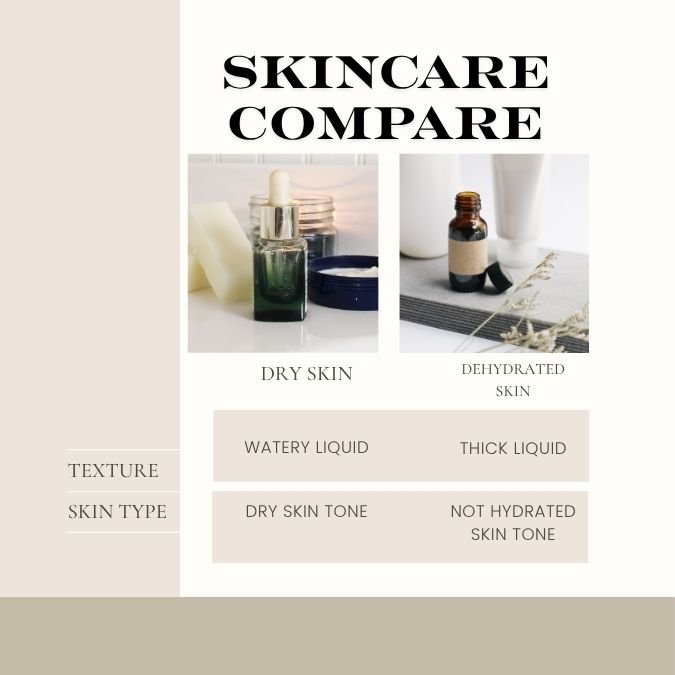
Dry and dehydrated skin are often treated as the same thing, but they are not exactly alike.
Dry skin usually refers to skin that naturally produces less oil. It may feel rough, flaky, or dry most of the time.
Dehydrated skin, however, is lacking water rather than oil.
This means someone with oily skin can still experience dehydration. Your skin may look shiny but still feel tight or uncomfortable.
If dehydration is the main issue, humectants such as hyaluronic acid, sodium hyaluronate, and glycerin are commonly found in products designed to help the skin retain moisture.
Simple habits may also make a difference. Using gentler cleansers and avoiding very hot water can help prevent your skin from feeling unnecessarily dry or tight.
Knowing whether your skin is dry or dehydrated can stop you from automatically choosing a very heavy cream when hydration may actually be the bigger concern.
5. Keep Your Routine Practical
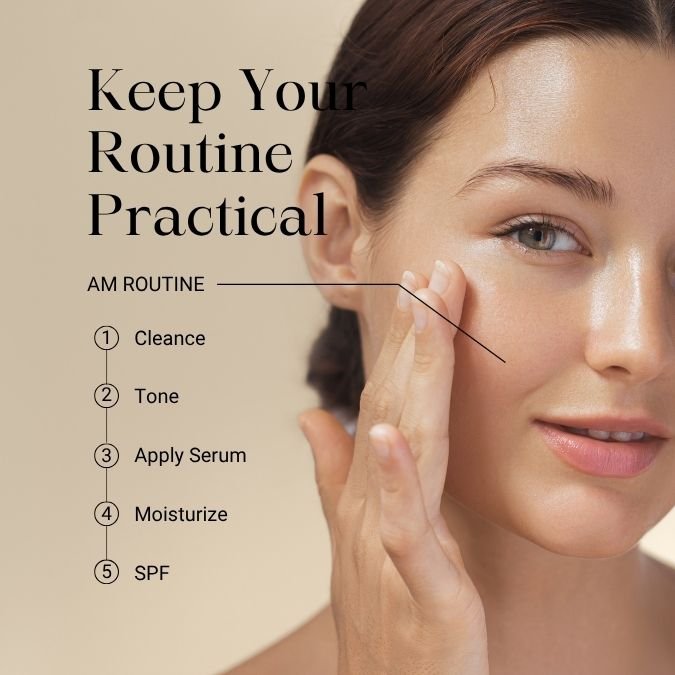
You do not need a shelf full of skincare products to build a useful routine.
For many people, the basics start with three products:
Cleanser. Moisturizer. Sunscreen.
A cleanser helps remove oil, dirt, makeup, and daily buildup. The goal is to clean the skin without leaving it feeling stripped.
The moisturizer should match your skin type and comfort level. Oily skin may prefer a lighter gel texture, while dry skin may feel better with a richer cream.
Sunscreen is another key part of a daily skincare routine. Choose a broad-spectrum sunscreen with at least SPF 30 for daily protection.
After these basics are working well, serums or targeted treatments can be added for a specific reason.
This approach also makes it easier to understand your skin. When you use too many products at once, it becomes difficult to know which one is helping and which one may be causing irritation.
A simple routine is often easier to follow and adjust.
6. Do Not Rely Solely on the Front Label
Product packaging is made to get your attention.
Words like “brightening,” “hydrating,” “for oily skin,” or “for sensitive skin” may sound convincing, but they should not be the only things you consider before buying.
Turn the bottle around.
Look at the skincare ingredients, texture, formulation, and what the product is actually designed to do.
Then ask yourself a few practical questions.
Do I already have a product that does the same job?
Am I buying this serum because my skin needs it or because it is trending?
Would this thick cream feel comfortable on my skin every day?
Does this product match the concern I am currently trying to improve?
This process is where smart skincare shopping becomes much easier.
You are no longer choosing a product simply because the label tells you it is made for your skin type. You are choosing it because its purpose, texture, and formulation make sense for your skin.
7. Give New Products a Careful Start
Even a product with excellent reviews and suitable ingredients may not work perfectly for everyone.
Your skin’s response matters. Try a small amount of a new product first and watch for redness, itching, or swelling before using it more widely. Avoid adding several strong products at the same time; introduce them gradually.
If irritation appears, you will have a much better idea of which product may be causing the problem.
Sensitive skin may require even more patience, especially when introducing active ingredients.
And if a product causes significant or persistent irritation, do not keep using it simply because someone online said your skin needs time to adjust. Stop using it and pay attention to how your skin responds.
A dermatologist is better suited to discuss persistent, painful, or unusual skin problems.
Select skincare products according to your skin’s needs, not what is trending.
Learning how to choose the right skincare product for your skin type is less about finding one perfect product and more about understanding your own skin.
First, understand your basic skin type. Then identify the particular concern you would like to address. Look at the skincare ingredients, formulation, and texture before buying, and keep your routine simple enough that you can tell what is working.
Most importantly, remember that skincare is personal. A product that works beautifully for someone else may not give you the same result, even if you seem to have similar skin.
Your skin does not need every new launch, viral serum, or crowded skincare shelf.
It needs products chosen with a reason.